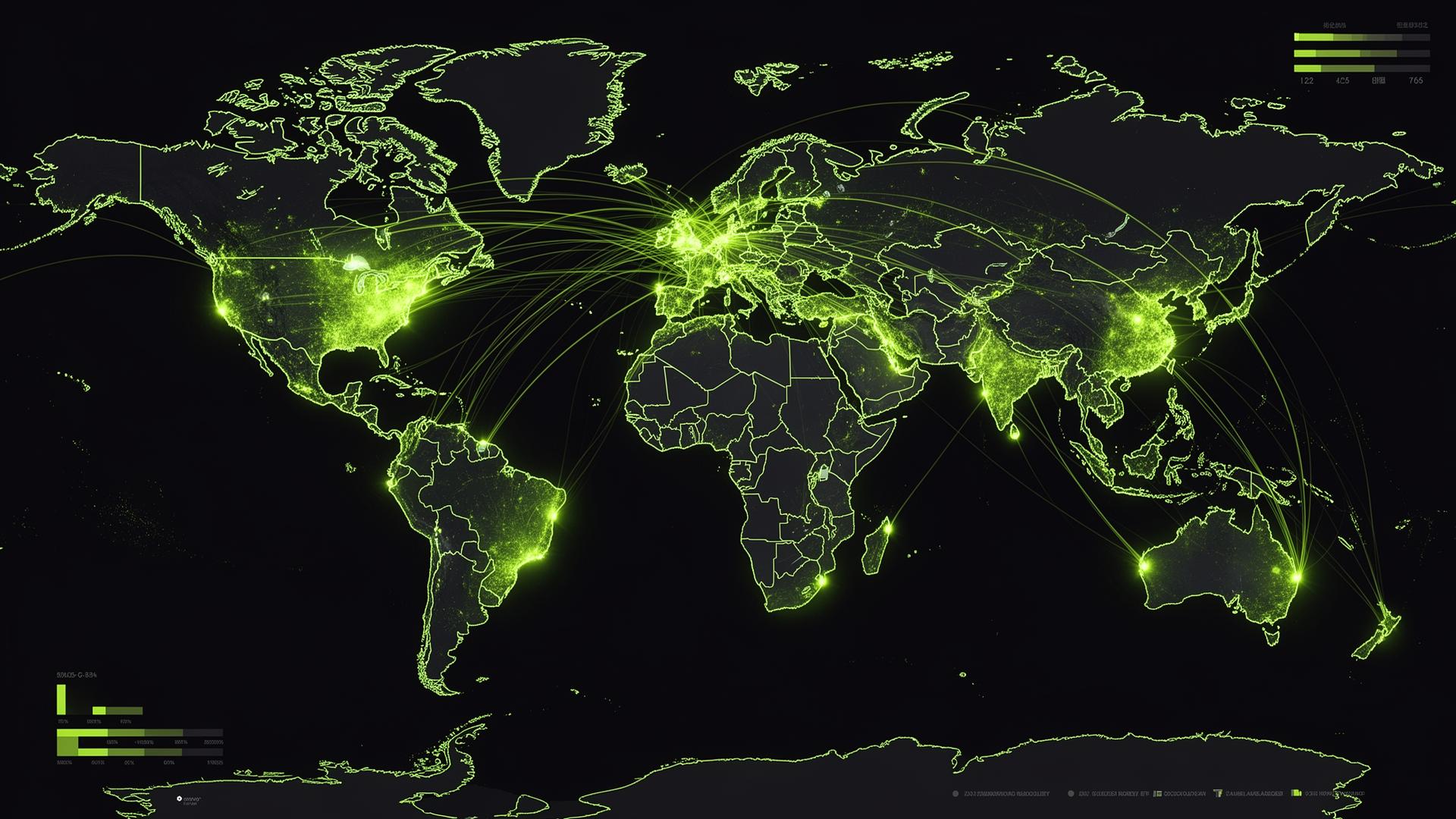
Explore by Region
This section organises The Geopolitical Pickle's analysis by world region, bringing together podcasts, written briefings, and data-driven maps into structured geopolitical hubs. Each regional page tracks external influence, resource competition, alliance dynamics, and security developments to provide a comprehensive picture of shifting power balances. By combining qualitative analysis with geospatial visualisation, the platform highlights how global strategic competition manifests differently across theatres, from maritime chokepoints and critical mineral corridors to proxy conflicts and defence integration. These regional overviews are designed as analytical entry points, allowing readers to move from high-level assessments to specific deep dives on conflicts, supply chains, and emerging security architectures. Together, they form a comparative framework for understanding how local dynamics intersect with global geopolitics.

Europe
Coverage of European geopolitics, from NATO expansion to EU dynamics, and the ongoing impacts of Russia's war in Ukraine.

Africa
Analysis of African geopolitics, including Sahel instability, great power competition, and the continent's growing strategic importance.
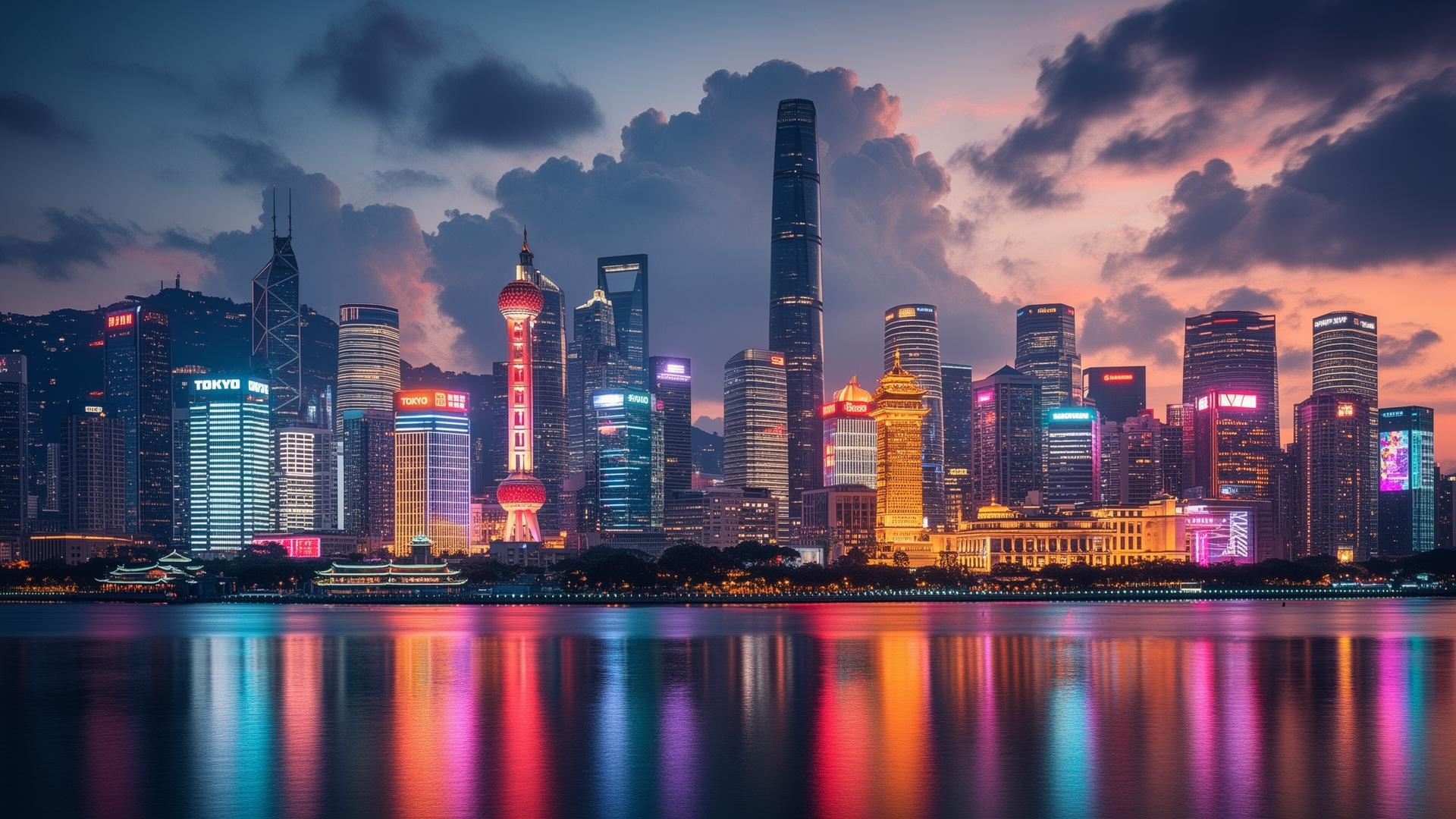
Asia-Pacific
Exploring the Indo-Pacific region, from China's rise and Taiwan tensions to AUKUS and the evolving security architecture.

Middle East
Coverage of Middle Eastern affairs, including the Israel-Palestine conflict, Iran's regional influence, and Gulf state diplomacy.
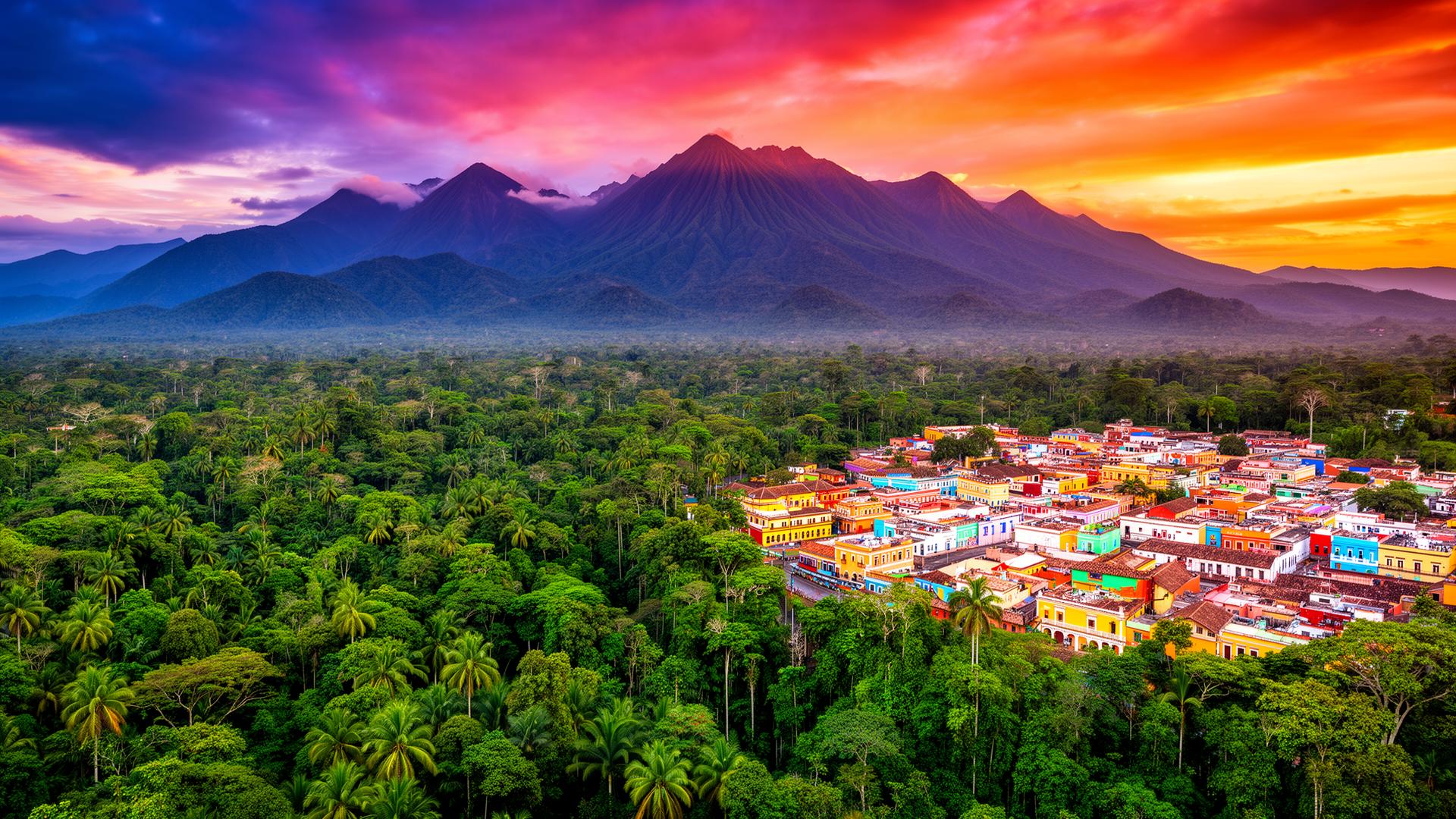
Latin America
Analysis of Latin American geopolitics, from Venezuela's crisis to Brazil's regional leadership and US-Mexico relations.

North America
Coverage of North American affairs, focusing on US foreign policy, Canada-US relations, and trilateral dynamics with Mexico.

Arctic
Exploring the geopolitics of the Arctic, where climate change is opening new frontiers for resource extraction and territorial competition.
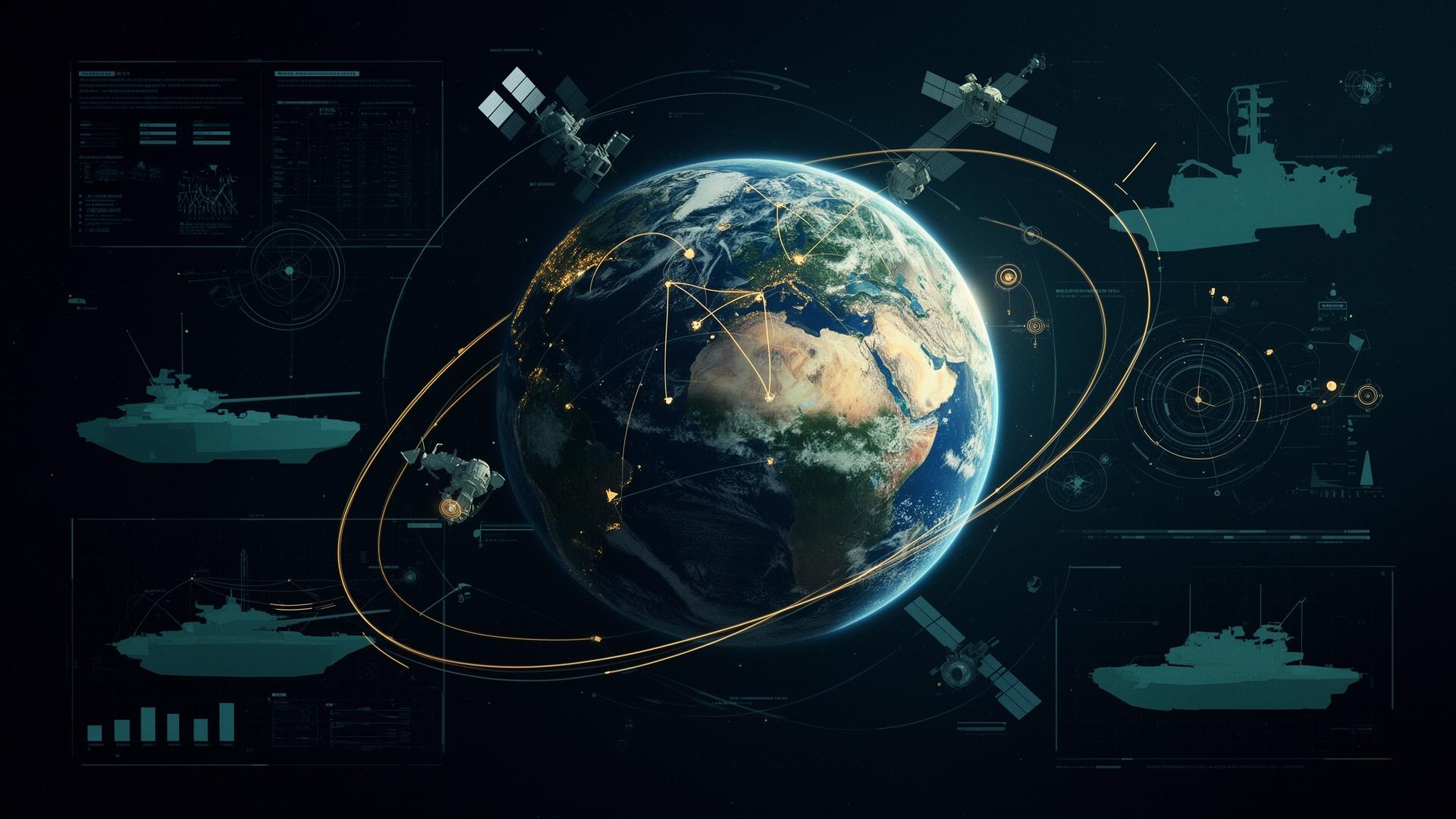
Global
Cross-cutting analysis of geopolitical theory, space geopolitics, military technology, international institutions, and systemic global trends.