Explore by Key Theme
The Key Themes section organises analysis around the major forces shaping contemporary geopolitics. Rather than focusing solely on geography, these themes highlight structural drivers such as resource competition, security alliances, technological rivalry, and external influence. Together they provide a framework for understanding how global power dynamics intersect across regions, industries, and strategic domains.
External Influence
External influence has become a defining feature of contemporary geopolitics, as major powers and regional actors seek to shape political, economic, and security outcomes beyond their borders. This theme examines how states project influence through military cooperation, infrastructure investment, diplomatic engagement, and economic leverage. Particular attention is given to the strategies employed by actors such as the United States, China, Russia, and emerging middle powers as they compete for partnerships, access to resources, and strategic positioning. By analysing security agreements, development finance, and political relationships, this section highlights how influence networks reshape regional dynamics and alter local balances of power.
Critical Minerals
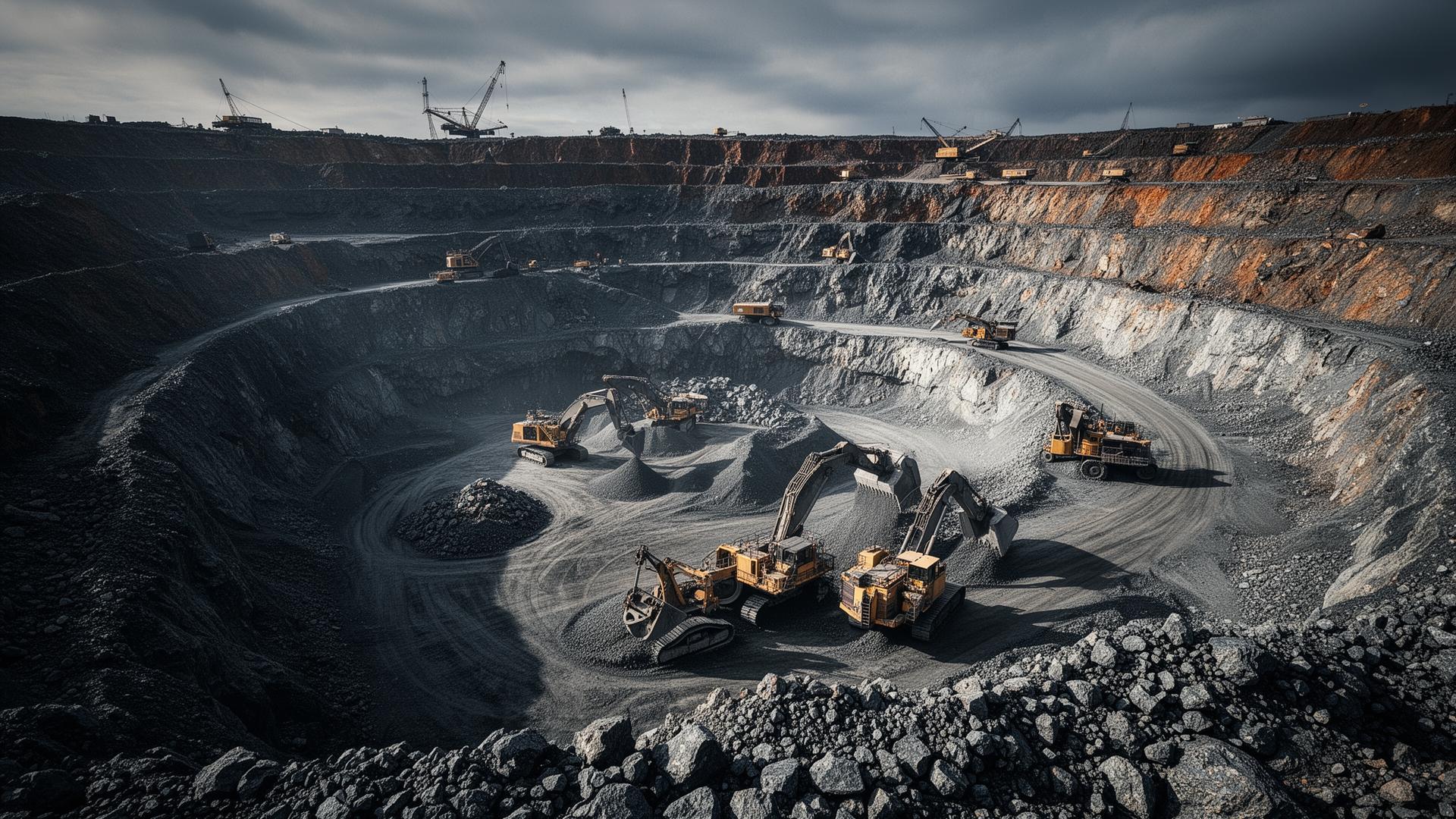
Critical minerals have emerged as one of the most strategically important resources of the twenty-first century. Materials such as lithium, cobalt, rare earth elements, and copper underpin modern technologies, renewable energy systems, and defence industries. As demand accelerates, competition over extraction, processing, and supply chains has become a major geopolitical issue. This theme explores how mineral resources shape international relationships, infrastructure development, and industrial policy. It also examines the role of resource-rich regions in global competition and how states attempt to secure reliable access to these strategic materials.
Maritime Strategy
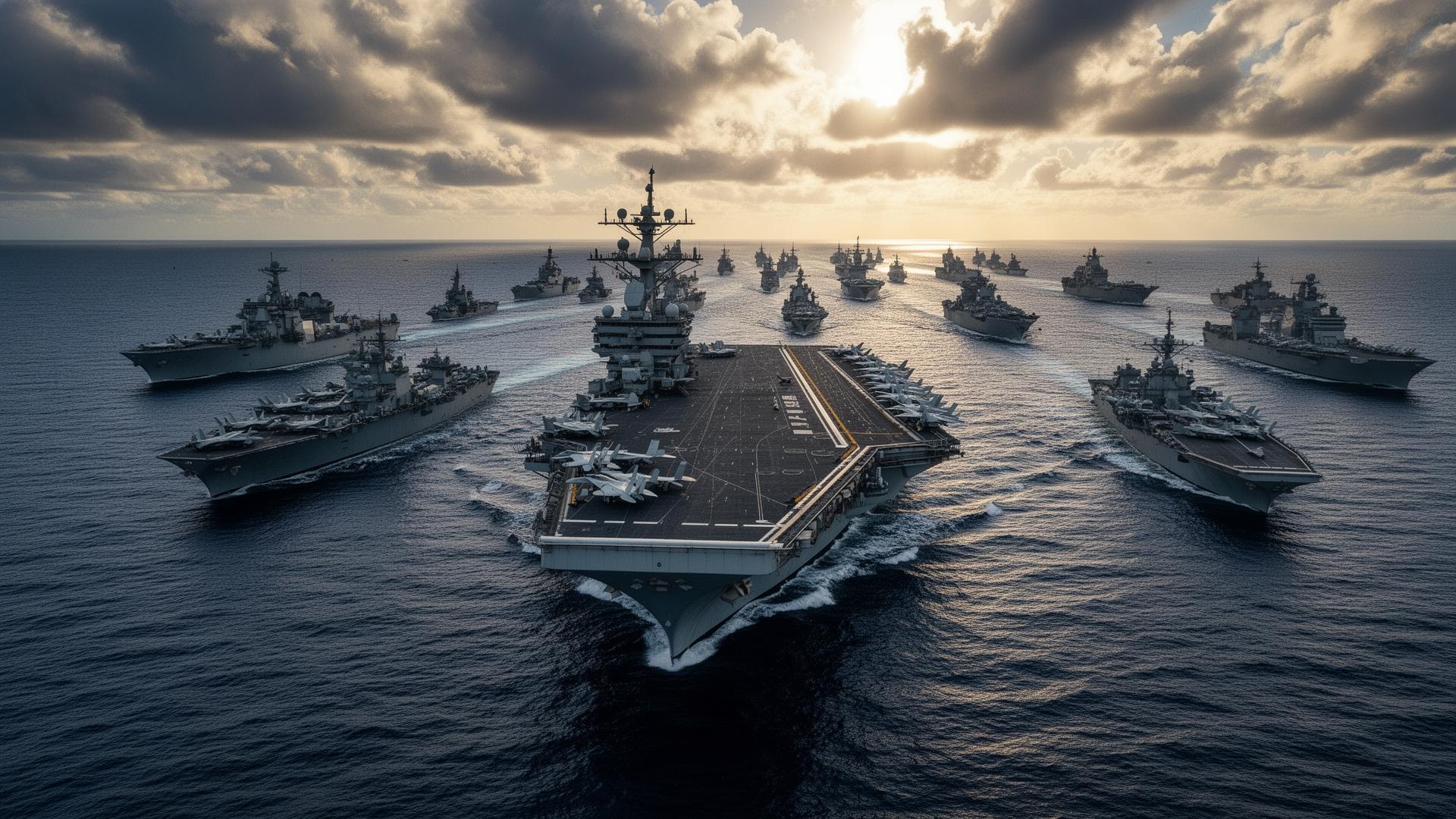
Control of the world's oceans remains central to geopolitical power. Maritime strategy focuses on sea lines of communication, naval capabilities, and key chokepoints that enable or constrain global trade and military movement. Regions such as the South China Sea, the Red Sea, and the Arctic are increasingly important arenas where economic interests and security concerns intersect. This theme examines naval expansion, port development, maritime infrastructure, and the strategic implications of shifting shipping routes. By analysing maritime geography alongside political and military developments, it highlights how control of the seas continues to shape global power dynamics.
Conflict & Security
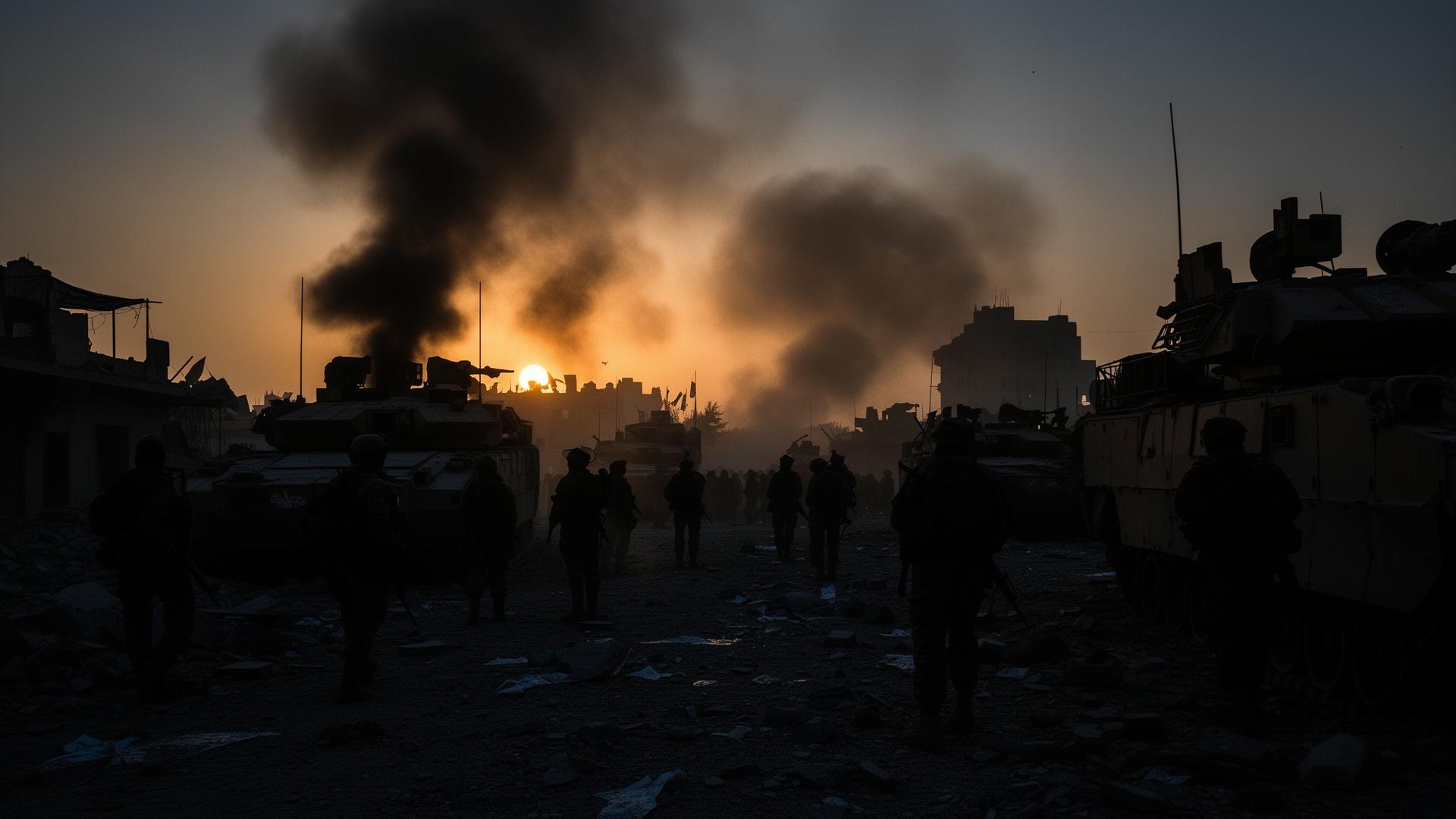
Armed conflict and security competition remain major drivers of geopolitical change. This theme examines the causes, dynamics, and consequences of conflicts ranging from interstate wars to insurgencies and proxy struggles. It also explores broader security trends including military modernisation, defence cooperation, and evolving doctrines of warfare. By analysing both active conflicts and emerging flashpoints, the section highlights how instability can reshape alliances, disrupt economic systems, and alter regional balances of power.
Great Power Competition
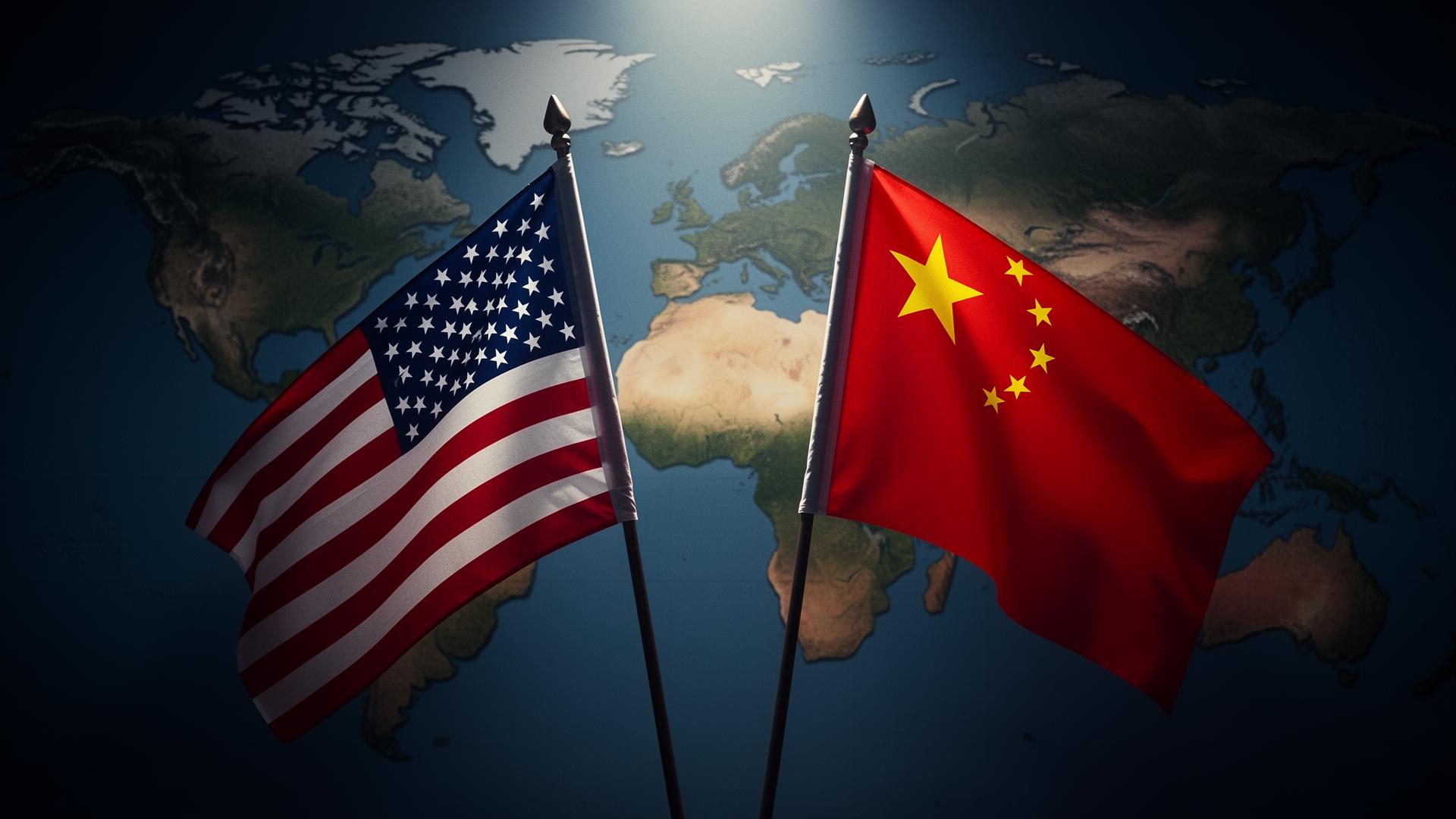
Relations between major powers increasingly shape the structure of the international system. Competition between the United States, China, Russia, and other influential actors influences everything from trade and technology to military alliances and global governance institutions. This theme explores how strategic rivalry manifests across different domains, including economic policy, infrastructure investment, security cooperation, and diplomatic engagement. By examining these interactions, it provides insight into how global competition affects regional dynamics and long-term geopolitical trends.
Alliances & Security Architecture
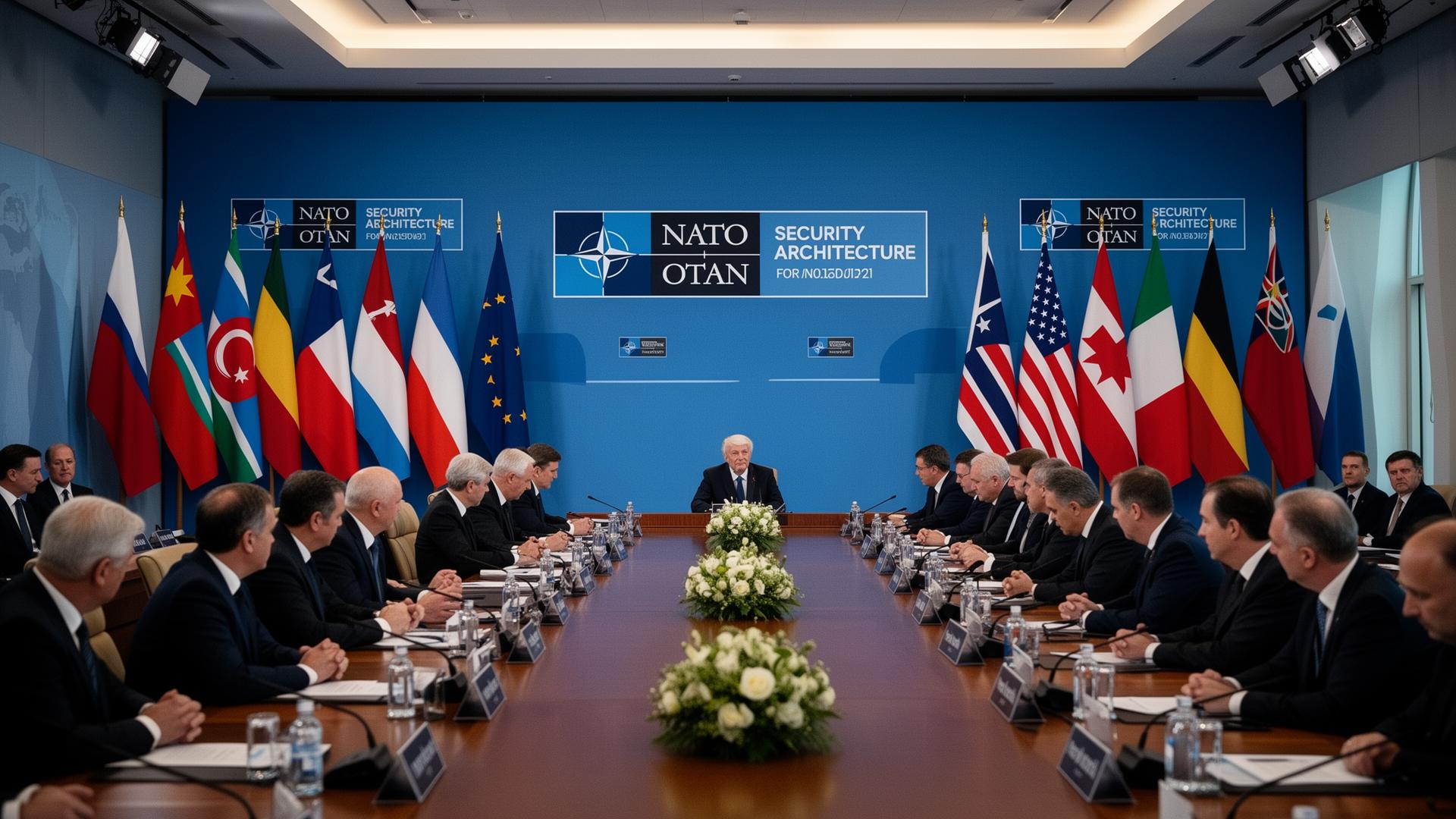
Alliances and security institutions form the backbone of international stability. Organisations such as NATO, regional defence arrangements, and bilateral security partnerships shape how states coordinate their military capabilities and respond to shared threats. This theme explores how alliances evolve in response to new geopolitical realities, including shifting power balances and emerging technologies. It examines defence integration, strategic partnerships, and institutional adaptation across different regions of the world.
Energy Geopolitics
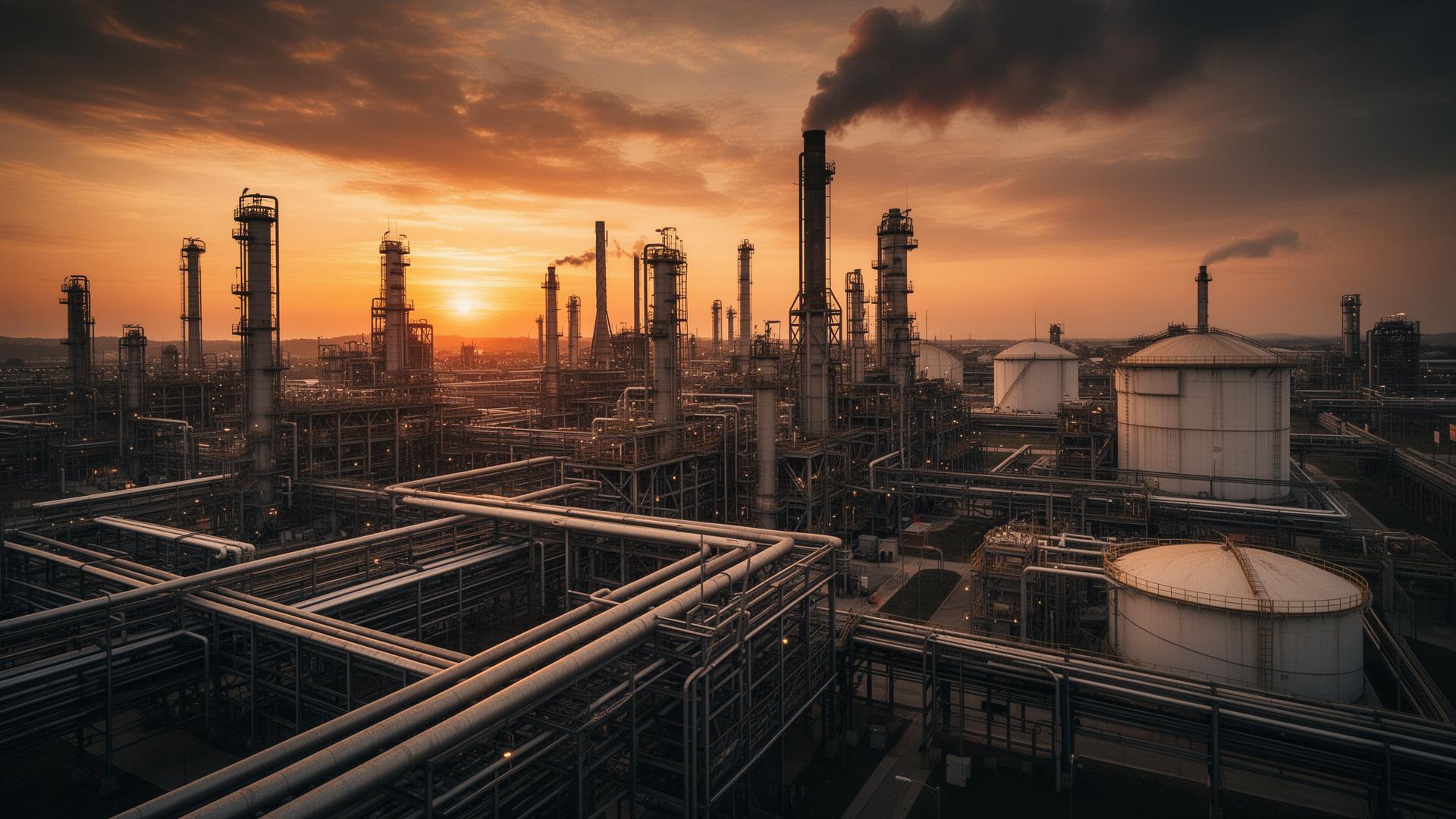
Energy resources remain deeply intertwined with global power politics. Oil, natural gas, and emerging energy technologies influence international relationships, economic development, and national security strategies. This theme explores how energy production, transportation, and consumption shape geopolitical competition. It also examines the strategic implications of the global energy transition and the ways states seek to secure reliable energy supplies while adapting to changing technological and environmental conditions.

Economic Statecraft
Economic tools have become central instruments of geopolitical competition. States increasingly use trade policy, sanctions, investment, infrastructure financing, and development assistance to advance strategic objectives. This theme examines how economic policies are used to influence political outcomes, secure strategic resources, and shape international partnerships. By analysing trade networks, infrastructure corridors, and financial relationships, it highlights how economic statecraft complements traditional diplomatic and military strategies.

Technology & Strategic Innovation
Technological change is reshaping the geopolitical landscape. Advances in artificial intelligence, cyber capabilities, space systems, and advanced manufacturing increasingly influence military power, economic competitiveness, and global influence. This theme examines how states compete to develop and control emerging technologies and how these innovations affect international security and strategic stability.
Geospatial Intelligence
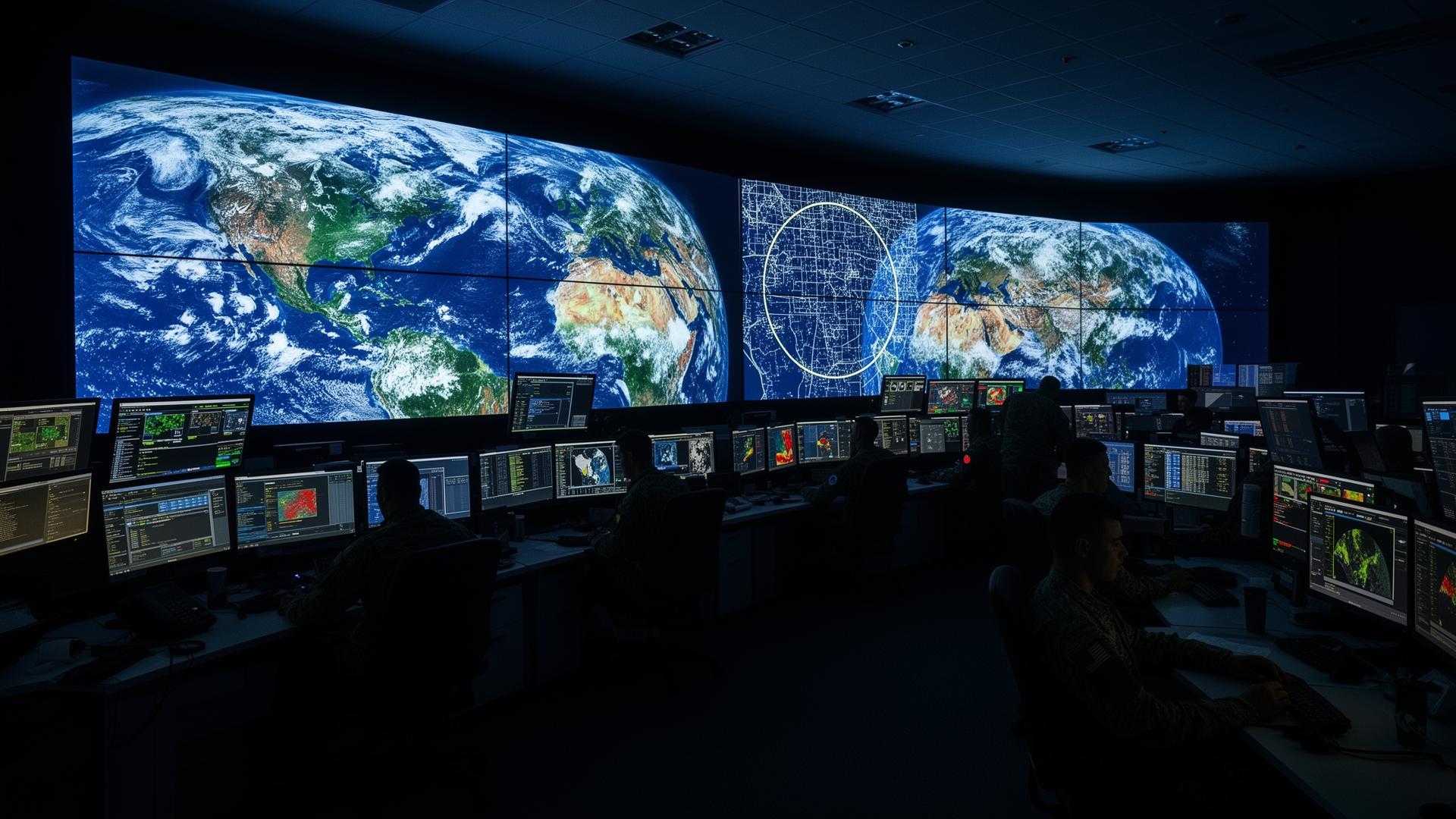
Maps and spatial analysis provide powerful tools for understanding geopolitical dynamics. Geospatial intelligence combines geographic data, satellite imagery, and cartographic analysis to reveal patterns that might otherwise remain hidden. This theme highlights visualisations and analytical maps that illustrate conflict zones, trade routes, resource distributions, and strategic infrastructure. By integrating spatial data with geopolitical analysis, it provides a visual perspective on global power dynamics.